News: Featured
Industrial Policy in the era of geopolitical fragmentation
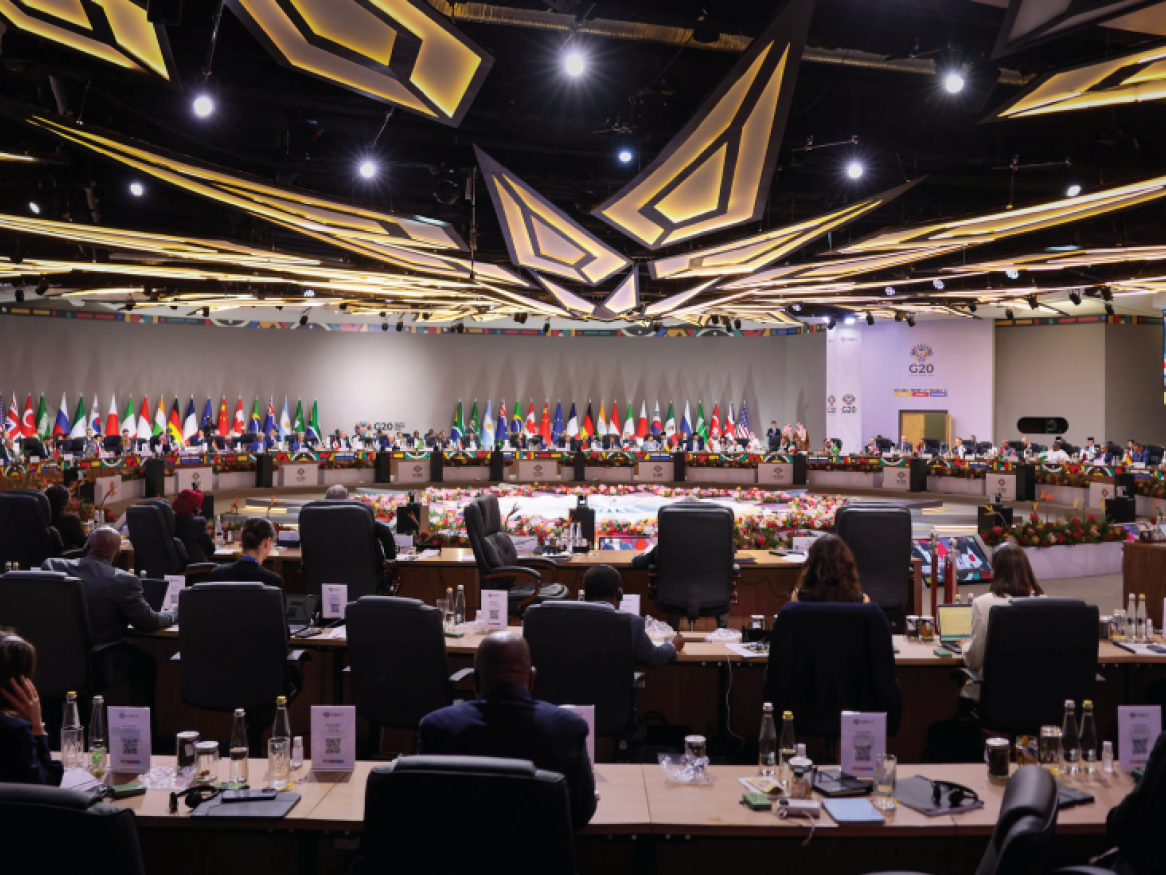
WORKING PAPER 27 Rising geopolitical tensions are reshaping global trade and industrial to advance strategic goals. This working paper examines what these shifts mean for emerging markets. Rather than choosing sides, the authors argue that successful emerging-market strategies lie in selective integration: maintaining openness with peers while deploying targeted, rules-based responses to distortions. The analysis highlights practical “do’s and don’ts” for trade and industrial policy in an era of geopolitical fragmentation
[Read more about Industrial Policy in the era of geopolitical fragmentation]
Export restrictions and trade in critical mineral green products for clean energy transition

WORKING PAPER 24
Our latest IIT Working Paper quantifies the economic impacts of export restrictions targeted at critical minerals trade. Costs are high, posing serious challenges to the global green transition. Global cooperation to address these mounting barriers is needed more than ever.
Framing Critical Minerals: Hybridising Economic, Environmental, and Security Objectives in EU Trade Discourse

WORKING PAPER 23:
Critical minerals now sit at the centre of EU trade discourse, where global sustainability goals, competitiveness, and supply-chain vulnerabilities intersect. The paper applies discursive institutionalism and introduces “framing hybridisation” to explain how the EU’s narrative evolved through external shocks, agency shifts, and stakeholder engagement. Using co-occurrence analysis and time-series mapping of DG Trade communications (1989–2025), it identifies a three-phase trajectory: an initial economic frame (liberalisation/competitiveness), a subsequent environmental frame (mining practices and the green transition), and, most recently, a security frame (reducing strategic dependencies and strengthening supply-chain resilience). Since 2020, these frames increasingly appear together, signalling a broader shift in EU trade policy under conditions of global uncertainty.
Road to Belém Briefing No. 1: Critical Minerals for the Net-Zero Transition

ROAD TO BELÉM BRIEFING No. 1 — Critical Minerals: Strategic Context and Policy Brief. COP30 places rapid renewable deployment and electrification at centre stage, sharply increasing demand for critical minerals used in batteries, wind, solar and grids. The system remains highly concentrated: for most minerals the top three producers account for over two-thirds of global output, and in several processing segments China exceeds 80-90%, creating systemic risk. The briefing frames three questions for Belém: how to diversify supply, uphold robust ESG in extraction and processing, and integrate critical minerals into a rules-based multilateral system that supports net-zero pathways. Policy levers assessed include CBAM (from 2026) and EUDR (from 2027) and their market-access implications, alongside concrete measures: embedding cooperation in trade commitments; joint strategic reserves; co-investment; transparency and digital traceability; and joint R&D on refining, recycling and substitution.
[Read more about Road to Belém Briefing No. 1: Critical Minerals for the Net-Zero Transition]
Increasing Unevenness in Trade-Related Sustainability Policy: The ASEAN Perspective

POLICY BRIEF No. 29 – Professor Göran Roos is Adjunct Professor at the Institute for Sustainability, Energy and Resources, University of Adelaide.
ASEAN countries are facing mounting pressure to align trade policy with emerging sustainability norms. While the global shift toward greener trade is accelerating—driven by the European Union’s Green Deal, the rise of carbon pricing, and private sector ESG demands—ASEAN’s policy response has been uneven. The disparity threatens to undermine regional competitiveness and fragment ASEAN’s vision of a cohesive market. The author argues that ASEAN must accelerate harmonisation efforts, strengthen regulatory capacity, and build flexible partnerships that allow member states to converge towards higher standards without sacrificing development goals. A coordinated response is critical to secure market access, attract investment, and position ASEAN as a credible player in sustainable trade.
The EU Corporate Sustainability Due-Diligence Directive and China-EU Trade: Environmental Implications for the Chinese Electric-Vehicle Sector
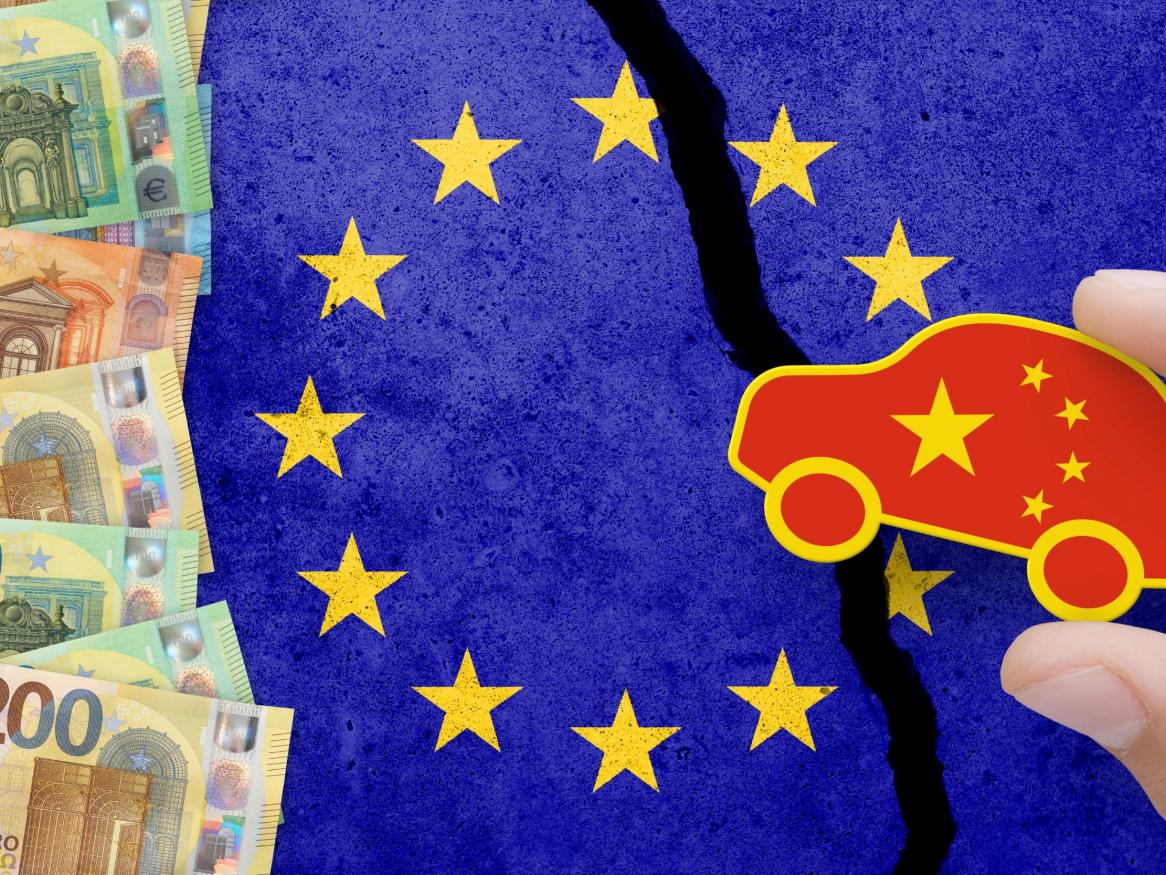
WORKING PAPER 22 - This working paper analyses how the EU Corporate Sustainability Due-Diligence Directive (CSDDD) will reshape China–EU trade, using the Chinese electric-vehicle (EV) industry as a sectoral lens. By translating voluntary ESG norms into hard-law obligations, the CSDDD extends stringent environmental standards along global value chains and aims to “level the playing field” for firms accessing the EU Single Market. The study traces the Directive’s legal evolution, compares it with China’s ESG framework, and models compliance scenarios for Chinese EV exporters. Findings indicate that while the Directive raises due-diligence and reporting costs—especially for complex battery supply chains—it also offers first-mover advantages to firms that align quickly with EU benchmarks. Competitive outcomes will depend on supply-chain transparency, technology upgrading, and the degree of regulatory convergence between Brussels and Beijing.
Countertrade in Modern Geoeconomics: A Study of Indonesia and the Eurasian Economic Union
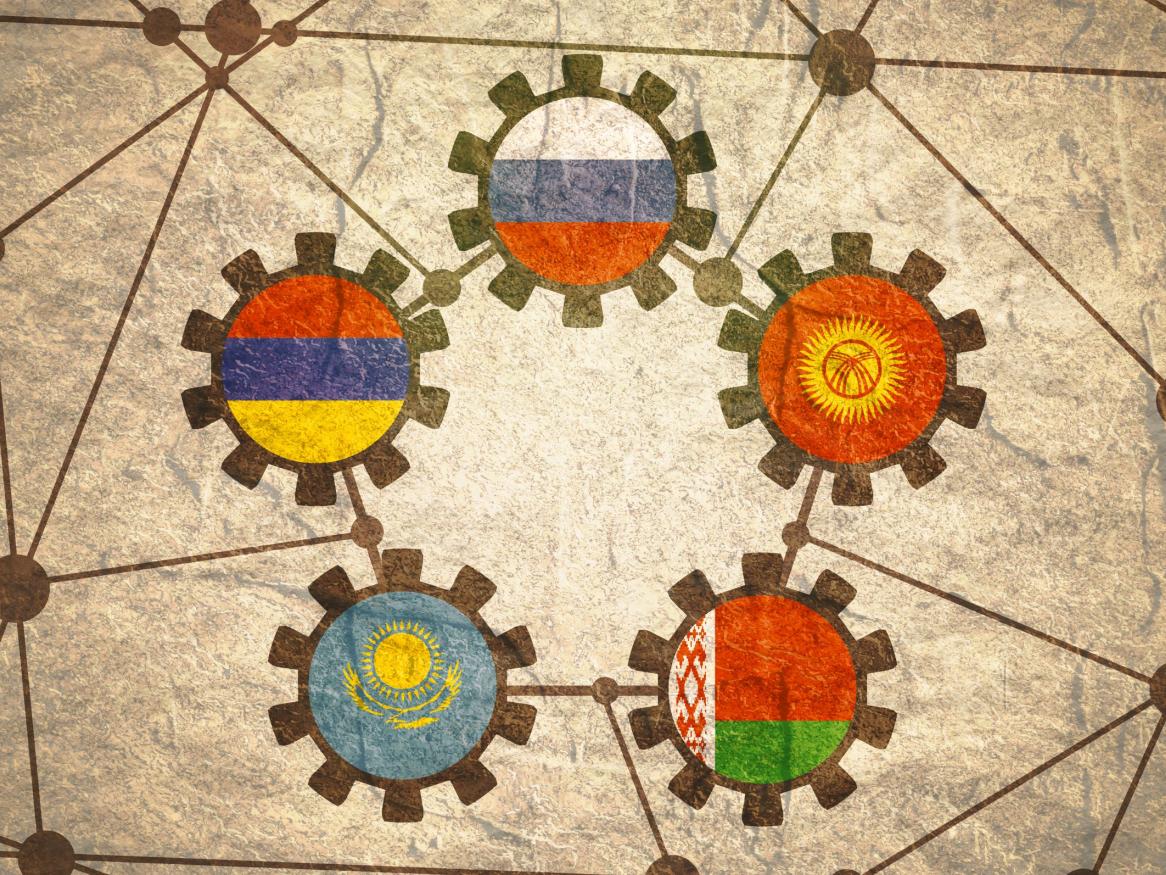
WORKING PAPER 21: This working paper examines the resurgence of countertrade—an exchange of goods and services without immediate monetary payment—as a strategic economic mechanism within modern geoeconomic contexts, specifically focusing on Indonesia and the Eurasian Economic Union (EAEU). Historically prominent during periods of economic isolation or liquidity constraints, countertrade is now re-emerging amid rising geopolitical tensions and financial uncertainties, serving as a tool for economic resilience and strategic autonomy. The paper investigates Indonesia’s past experiences with countertrade, primarily in defense procurement, and evaluates scenarios for potential future engagement under a proposed Indonesia-EAEU Free Trade Agreement. Using theoretical firm-level analysis, it distinguishes how different Indonesian firm categories—super-large conglomerates, large enterprises, and small and medium-sized enterprises (SMEs)—could benefit from or face challenges in adopting countertrade. Findings suggest that, despite theoretical benefits like reduced currency risk and strategic resource access, practical implementation is complex and cost-intensive, making it most suitable for larger, resource-rich firms capable of navigating these complexities.
Implications of the EUDR on global palm oil supply chains
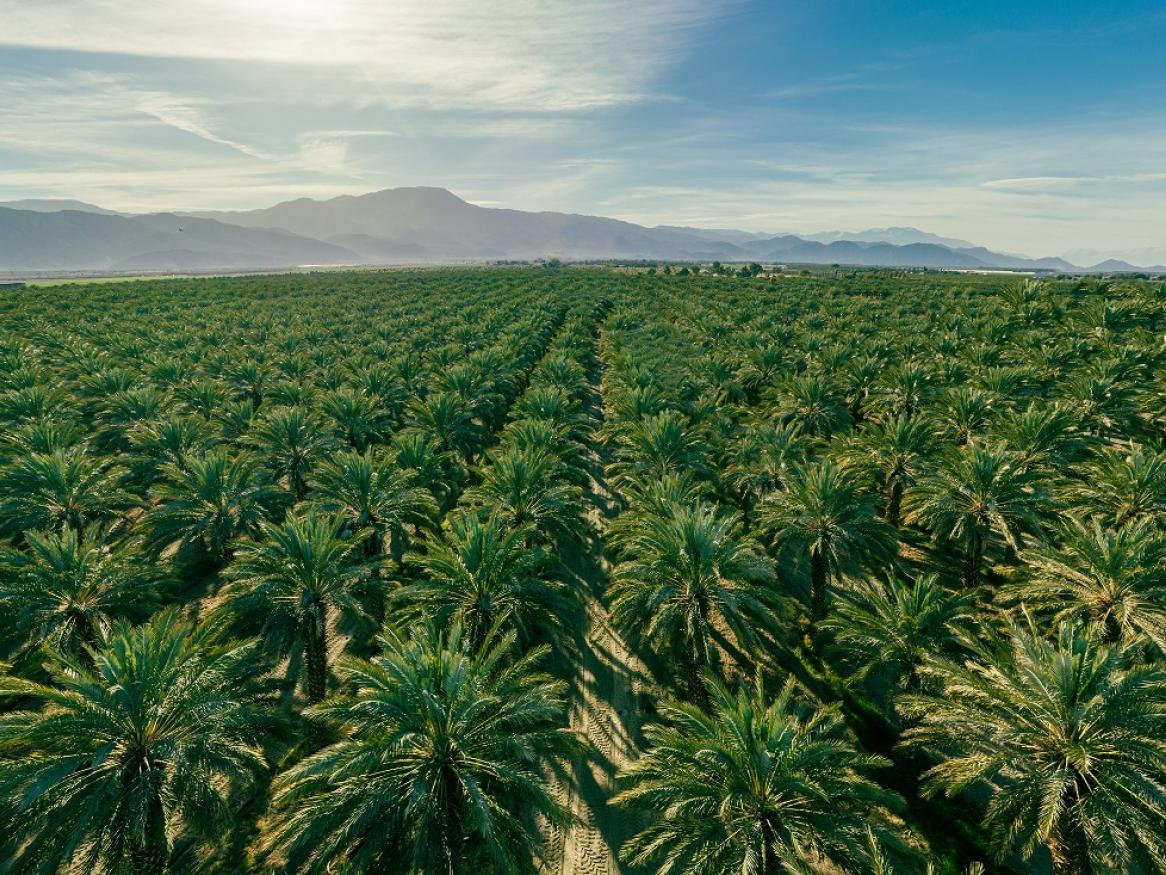
WORKING PAPER 18: From December 2024, the European Union Deforestation Regulation (EUDR) will require palm oil to come from sources not linked to deforestation. This creates challenges for suppliers, especially small ones, due to strict tracking and compliance rules. Countries like Indonesia and Malaysia are concerned about these challenges. However, aligning with certification schemes like Malaysia's MSPO may help gain EU approval. The EUDR also classifies countries by deforestation risk, making it easier for low-risk nations to comply. For a smooth shift to deforestation-free trade, it's important to extend timelines, support small suppliers, and use local initiatives.
[Read more about Implications of the EUDR on global palm oil supply chains]
The Impact of Due Diligence Legislation on International Trade and Business: An Analysis of Potential Trade-Offs

WORKING PAPER 17: As countries increasingly adopt due diligence legislation to promote human rights, labor standards, and environmental sustainability in global value chains, a complex dilemma arises. While these laws commendably aim to address moral and political issues in international trade, they may also impose significant costs on companies, potentially disincentivizing investment and trade. This study examines the impact of due diligence laws on international trade and business, analyzing some 60 cases.
Mapping networks of export credit for fossil and clean energy infrastructure

WORKING PAPER 16: Official Export Credit Agencies (ECAs) are pivotal in the global energy sector, investing billions annually in fossil fuel projects. They could significantly boost the energy transition by reducing risks in large projects and supporting climate finance goals. Our working paper analyzes ECA financing in Asia-Pacific, highlighting integrated fossil fuel lending across diverse nations without clear geopolitical divides, unlike the fragmented clean energy network dominated by a "China vs. the rest" pattern. To enhance ECAs' climate contributions, the study suggests ending fossil fuel financing, easing clean energy project requirements, increasing renewable energy funding, and expanding ECAs' roles via blended finance. The IEA stresses ECAs are crucial for achieving net zero by 2050.
[Read more about Mapping networks of export credit for fossil and clean energy infrastructure]
